
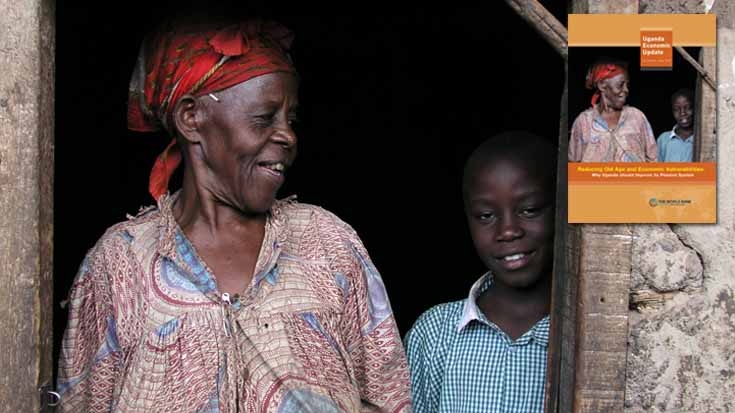


Kampala, Uganda Recent statistics released by the National Social Security Fund (NSSF) have sent shockwaves through Uganda, highlighting the dire state of social security in the country. The data, unveiled in Kampala, reveals that out of a working population of 20.5 million, only a mere 14.6 percent enjoy any form of social security coverage. This leaves approximately 17.7 million Ugandans exposed to the perils of poverty, inequality, and social exclusion across their life cycles.
Ms. Faith Kimuli, the legal and manager of the enforcement and debt recovery unit at NSSF, disclosed that there are only 800,000 registered companies with the NSSF, and a mere 57 percent of employers comply with remitting employees’ savings to the fund. She further emphasized that the total labor force, aged 14 to 64 years, amounts to 23.5 million.
The NSSF organized a sector-wide workshop in partnership with the Ministry of Gender, Labour and Social Development, the Ministry of Finance Planning and Economic Development, and the Ministry of ICT and Guidance to address these alarming statistics.
Ms. Kimuli stated, “Total registered employers, including active and dormant, stand at 88,210, while NSSF members, including active and dormant, number 2.3 million.”
Mr. Patrick Ayota, the Managing Director of NSSF, painted a grim picture of the situation, saying, “Our data shows that over 83 percent of NSSF members have less than Shs10 million in savings balance, with an average monthly income of Shs250,000. These low savings can be attributed to non-compliant employers and low wages.” He added that the national savings rate is a mere 11 percent of the GDP.
Mr. Ayota revealed that only 12 percent of NSSF members have savings between Shs10 million to Shs50 million, while a mere 2 percent have savings ranging from Shs50 million to Shs100 million. He cited high formal and informal unemployment, low wages, dishonest employers, and enforcement issues as contributing factors to this alarming situation.
Uganda’s life expectancy is on the rise, reaching 63 years, and Mr. Ayota raised the critical questions: “How will we live? How will this impact us?” He called for collective responsibility and urged everyone to encourage savings to propel Uganda into the ranks of Africa’s economic giants. NSSF’s Vision 2035 aims to have 50 percent of working Ugandans saving with the fund, estimated at 15 million members, with a 95 percent member ratification rate and a balance sheet growth target of Shs50 trillion.
In an effort to address the crisis, the NSSF has given employers in the telecommunication and technology sector until February 1, 2024, to register their employees and remit their social security contributions. Failure to comply will result in penalties. Minister of State for National Guidance, Mr. Godfrey Kabyanga, urged sector players to fulfill their social security obligations during the amnesty period and to negotiate convenient payment plans with the NSSF in case of challenges.
Minister of Gender, Labour, and Social Development, Ms. Betty Amongi, highlighted the challenges faced by Uganda, including a significant informal workforce and a low adoption rate of technology in the workplace. She emphasized the need for collaboration with the Ministry of ICT to address these issues and ensure a more inclusive social security system for all Ugandans.
The NSSF’s alarming statistics serve as a wakeup call for Uganda to take swift action in addressing its social security crisis and ensuring a more secure future for its workforce