
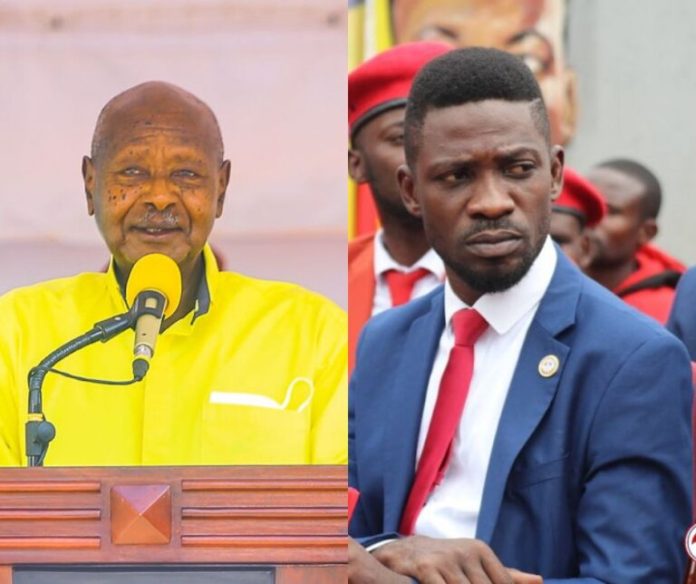


Uganda’s political landscape is set to witness one of its most fiercely contested elections in 2026. With President Yoweri Museveni, who has been in power for over 35 years, facing a rising opposition led by pop star-turned-politician Bobi Wine, the stage is set for a dramatic showdown. The 2026 elections promise to be a defining moment in Uganda’s history, as the country grapples with issues of democracy, governance, and youth representation. In this article, we explore the key players, the political dynamics, and the potential impact of the upcoming election.
The Political Context: Museveni’s Long Reign
Yoweri Museveni has been Uganda’s president since 1986, after leading a successful guerrilla war that overthrew the government of Milton Obote. His presidency, which has lasted for more than three decades, is marked by significant changes in the country, both positive and controversial. Museveni is credited with stabilizing Uganda after years of political turmoil and civil war, promoting economic growth, and playing an influential role in regional peacekeeping efforts.
However, his prolonged stay in power has sparked criticism both domestically and internationally. Critics argue that Museveni has become increasingly authoritarian, limiting political freedoms, suppressing opposition, and manipulating the constitution to extend his rule. In 2005, a constitutional amendment removed presidential term limits, and in 2017, another amendment lifted age limits, allowing him to run for re-election in 2021.
The 2021 elections were highly contentious, with widespread allegations of voter fraud, intimidation, and violence. Bobi Wine, a former pop musician turned politician, emerged as the main challenger to Museveni. Despite being subjected to harassment, arrests, and a violent crackdown on his supporters, Wine garnered significant support from Uganda’s youth, who feel disconnected from the government’s policies.
Bobi Wine: The Face of the Opposition
Bobi Wine, born Robert Kyagulanyi, has become a symbol of change and youthful energy in Uganda’s political scene. A well-known musician with a massive following, Bobi Wine transitioned into politics in 2017, representing the Kyadondo East constituency in Uganda’s parliament. His political platform is centered around fighting for democratic reforms, reducing corruption, and creating opportunities for young Ugandans.
Wine’s rise to prominence as a political leader is attributed to his ability to connect with the younger generation, who make up a significant portion of Uganda’s population. His campaign slogan, “People Power,” resonates with those frustrated by unemployment, poverty, and political exclusion. Wine’s charisma, social media savvy, and calls for a new political order have made him a major threat to Museveni’s long-standing rule.
The 2021 presidential elections marked a turning point in Bobi Wine’s political career. Despite being blocked from holding rallies, facing violent repression from security forces, and enduring frequent arrests, Wine managed to garner millions of votes. Although the election results were widely disputed, his support base grew, signaling the potential for a strong challenge to Museveni in 2026.
The 2026 Election: Key Issues at Stake
As Uganda approaches the 2026 elections, several key issues are expected to dominate the political discourse. These issues will define the policies of the candidates and the concerns of the electorate. Let’s explore the most significant issues:
1. Youth Unemployment and Economic Opportunity
Uganda is a country with one of the youngest populations in Africa, with over 77% of the population under the age of 30. However, despite this youthful demographic, unemployment rates among young people are alarmingly high. Many young Ugandans face limited opportunities for education, skills development, and employment. Museveni’s government has faced criticism for its failure to create enough jobs for the youth, and this will be a major issue in the 2026 elections.
Bobi Wine has made youth unemployment a central focus of his campaign. He has promised to overhaul Uganda’s education system, improve vocational training, and create policies to stimulate job creation. His platform resonates with many young Ugandans who see his candidacy as a chance to improve their prospects.
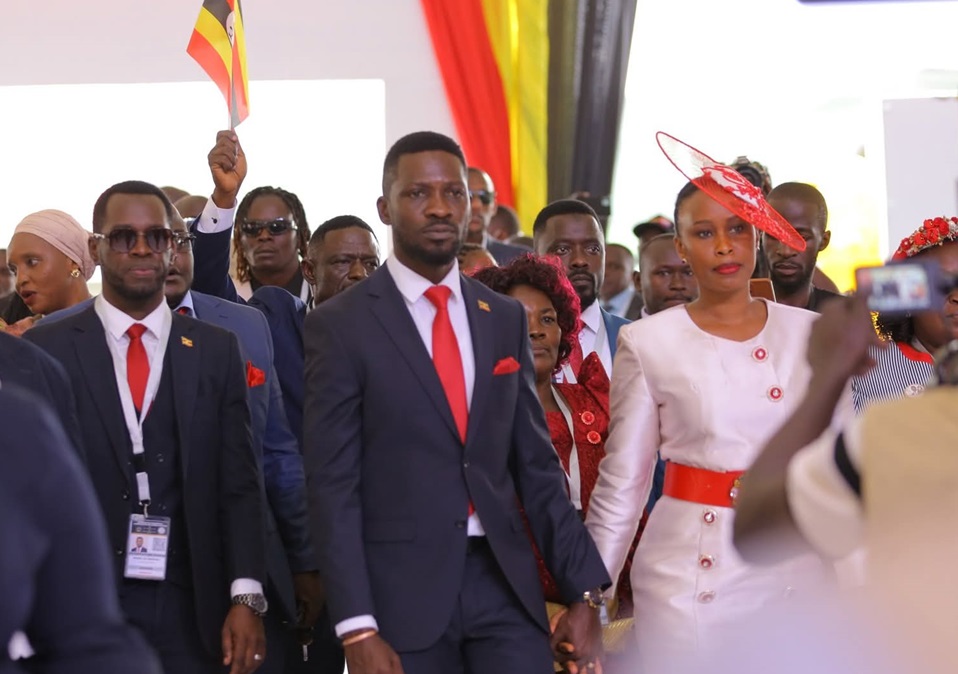
2. Democracy and Political Freedoms
One of the defining features of Museveni’s presidency has been his approach to governance, which many describe as authoritarian. Opposition leaders, activists, and journalists have faced harassment, detention, and violence under Museveni’s rule. The 2021 elections, in particular, were marred by allegations of voter suppression, restrictions on political campaigning, and the arrest of opposition leaders.
Bobi Wine has consistently called for greater political freedoms, the restoration of term limits, and the respect of human rights. His supporters believe that his election would lead to a more democratic and transparent government. On the other hand, Museveni has positioned himself as the protector of Uganda’s stability, warning that a change of leadership could lead to chaos and instability.
3. Corruption and Governance
Corruption remains a significant challenge in Uganda, with high-profile cases involving government officials and business elites. Museveni’s government has been accused of failing to address corruption adequately, despite pledging to combat it over the years. Many Ugandans are frustrated with the misuse of public funds and the lack of accountability for corrupt officials.
Bobi Wine has promised to tackle corruption head-on, pledging to create stronger institutions for auditing government spending and holding corrupt officials accountable. His message of political renewal is appealing to those who feel that Uganda’s resources are being squandered by the ruling elite.
4. Security and Rule of Law
Uganda’s security forces, including the police and military, have been heavily involved in enforcing Museveni’s rule, often using violence and intimidation to suppress opposition. In the run-up to the 2021 elections, security forces were accused of using excessive force against peaceful protesters and opposition supporters.
Bobi Wine has been a vocal critic of the militarization of politics and has pledged to restore the rule of law in Uganda. He has called for reforms in Uganda’s security sector, with a focus on professionalism and respect for human rights. While Museveni insists that the country’s security forces are essential for maintaining peace, Wine’s calls for change resonate with those who believe that security forces are increasingly used for political repression.
The Role of International Actors
As Uganda approaches the 2026 elections, international actors will play a crucial role in shaping the political landscape. The international community, including the European Union, the United States, and other regional bodies, has expressed concerns about the state of democracy and human rights in Uganda. In the past, the U.S. and EU have imposed sanctions on Ugandan officials accused of human rights abuses, and they will likely continue to monitor the political climate closely in the run-up to the 2026 elections.
Bobi Wine’s international appeal has been growing, particularly among young African leaders and diaspora communities. His message of democratic renewal aligns with global efforts to promote human rights and democracy in Africa. However, Museveni has also built strong relationships with countries like China, Russia, and others, which could offer him diplomatic and economic support as he campaigns for re-election.
What to Expect in the 2026 Election Campaign
As the 2026 elections approach, both Museveni and Bobi Wine will likely focus on rallying their support bases while attempting to expand their influence. Museveni will emphasize his experience and stability, framing himself as the leader who has kept Uganda peaceful and progressing over the past three decades. He will continue to leverage his control over state resources and the military to maintain his position.
Bobi Wine, on the other hand, will continue to present himself as the voice of change, offering a new direction for Uganda. His campaign will focus on the issues that matter most to the youth, including jobs, education, and democratic reforms. He will likely continue to face resistance from the government, which may try to discredit him or undermine his candidacy.
Uganda’s 2026 elections are shaping up to be a pivotal moment in the country’s political history. With Yoweri Museveni seeking a sixth term and Bobi Wine emerging as the main challenger, the election will be a battle between a long-standing president and a rising political star. The outcome will depend on how well each candidate can address the key issues facing Ugandans, such as youth unemployment, corruption, political freedoms, and security.
For many Ugandans, the 2026 elections represent a chance to shape the future of their country. As the political campaign intensifies, it is clear that the stakes are high for both candidates, and the world will be watching closely to see how Uganda’s democracy evolves in the face of this historic showdown.