
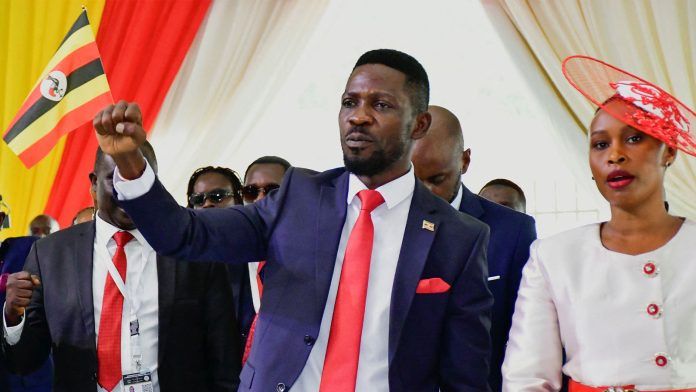


Uganda’s 2026 presidential election is shaping up to be one of the most pivotal in the country’s history. With President Yoweri Museveni, the long-standing incumbent, preparing for a potential sixth term, and opposition leaders like Bobi Wine offering a fresh challenge, the stakes are higher than ever. The election will not only decide the future of Uganda’s leadership but will also shape the country’s political direction, economy, and social fabric for years to come. In this article, we will explore the key issues that will dominate the 2026 election campaign, examining how they affect the Ugandan electorate, their potential impact on political dynamics, and how they could define the future of Uganda.
1. The Legacy of Yoweri Museveni’s Rule
President Yoweri Museveni has been in power since 1986, and his legacy is a central issue in the upcoming election. On one hand, his supporters point to his leadership during Uganda’s recovery from years of civil war, his role in regional peacekeeping, and his economic policies that have contributed to Uganda’s growth over the years. Under his rule, Uganda has experienced infrastructure development, improved healthcare, and education, and a reduction in poverty rates.
However, Museveni’s critics argue that his prolonged rule has turned Uganda into a monarchy-like system where democratic freedoms are increasingly limited. Many Ugandans, particularly the youth, feel that the country’s leadership has become increasingly authoritarian. In recent years, Museveni has faced growing accusations of human rights abuses, including violent crackdowns on opposition protests, suppression of free speech, and the imprisonment of critics.
The debate surrounding Museveni’s legacy will be one of the defining aspects of the 2026 election. While some voters may continue to support him, particularly those in rural areas who benefited from his government’s policies, younger voters, who feel left out of economic opportunities, may seek change. Bobi Wine, the pop star-turned-politician, has positioned himself as the alternative to Museveni, promising a new era of political change and youth empowerment.
2. Youth Unemployment and Economic Opportunities
One of the most pressing issues facing Uganda today is youth unemployment. Over 77% of Uganda’s population is under the age of 30, and a large portion of this demographic struggles to find meaningful work. Despite the country’s rapid economic growth in recent years, the benefits have not been equally distributed, and many young Ugandans are still unable to access the opportunities they need to succeed.
Bobi Wine has made youth unemployment a central issue in his campaign, promising to create policies that will provide better job opportunities for the younger generation. His focus on entrepreneurship, vocational training, and creating more sustainable jobs through the development of local industries is designed to tackle the issue head-on. His campaign also resonates with the frustrations of young Ugandans who feel that their potential is being stifled by a government that does not prioritize their needs.
On the other hand, President Museveni has also recognized the importance of youth employment in recent years. His government has promoted programs like the Youth Livelihood Programme and The Presidential Initiative on Job Creation, but critics argue that these efforts have been insufficient and have failed to deliver tangible results. In 2026, Museveni will have to demonstrate that he can effectively address youth unemployment and provide real solutions to this pressing issue.
3. Democratic Freedoms and Political Repression
Uganda’s democratic freedoms have been a major point of contention during Museveni’s rule. Since he came to power in 1986, political opposition has been systematically suppressed. Opposition candidates have been arrested, barred from holding rallies, and subjected to harassment by security forces. The 2021 presidential elections were marred by violence, with opposition leader Bobi Wine, in particular, being targeted by the state.
The crackdown on political freedoms has been a major issue in recent years. In 2017, Museveni’s government passed a controversial constitutional amendment that removed presidential age limits, allowing him to run for another term in 2021 and 2026. Many Ugandans see this as a deliberate move to entrench his rule and prevent a peaceful transfer of power.
Bobi Wine, who emerged as the main opposition leader in 2021, has called for the restoration of democratic freedoms, including free and fair elections, a free press, and respect for human rights. He has been a vocal critic of the government’s use of violence and intimidation against opposition groups and has promised to work toward restoring Uganda’s democratic institutions.
As the 2026 election approaches, the issue of political repression will continue to be a major focal point. Will Museveni loosen his grip on power and allow for more political freedoms, or will his government continue to suppress dissent and opposition? The answer to this question will have a profound impact on Uganda’s political future.
4. Corruption and Governance
Corruption remains a significant challenge in Uganda, undermining the effectiveness of government programs and hindering economic growth. Over the years, Museveni’s government has been accused of widespread corruption, from high-level officials embezzling public funds to mismanagement of public resources. The lack of accountability and transparency in government dealings has eroded public trust in Uganda’s political leadership.
The issue of corruption is likely to play a significant role in the 2026 election. Bobi Wine has repeatedly accused Museveni’s government of being a corrupt, kleptocratic regime that has failed to address the needs of ordinary Ugandans. He has promised to tackle corruption by creating stronger institutions for oversight, reforming Uganda’s judiciary, and ensuring that government officials are held accountable for their actions.
Museveni, however, has often defended his administration, pointing to economic growth and infrastructure development as evidence of his government’s effectiveness. He will likely argue that corruption is a problem in all African countries and that his government has taken steps to combat it, even if critics claim those steps have been insufficient.
5. Security and Rule of Law
Security is a major concern for many Ugandans, particularly in the aftermath of political unrest and violent protests. Under Museveni’s rule, the country has seen a heavy militarization of politics, with the army and police playing a central role in enforcing political control. The Ugandan security forces have been involved in multiple incidents of violence and abuse, including during the 2021 elections.
Bobi Wine has been a strong advocate for security sector reform, calling for a police and military force that operates independently of the government and upholds the rule of law. He has promised to ensure that security forces protect Ugandans’ rights rather than suppressing political opposition. However, there are concerns about whether such reforms are possible, given the entrenched role of the military in Ugandan politics.
Museveni will likely emphasize his success in maintaining national security, particularly in relation to the Lord’s Resistance Army (LRA) insurgency in the 2000s and his role in stabilizing the region. However, the ongoing security challenges in the country, including occasional violence between government forces and opposition groups, will be a key issue during the election campaign.
6. Foreign Relations and Uganda’s Global Position
As Uganda heads into the 2026 elections, foreign policy and the country’s position on the global stage will also come into play. Under Museveni, Uganda has aligned itself with countries like China, Russia, and other non-Western powers, distancing itself from traditional Western allies like the U.S. and Europe. This shift has raised concerns about Uganda’s foreign relations and its reliance on foreign aid and investment.
Bobi Wine has emphasized the importance of maintaining strong relations with international democracies and promoting human rights and democracy on the global stage. He has also called for a more pro-African foreign policy, focusing on regional cooperation and building stronger ties with other African nations.
Uganda’s 2026 presidential election is shaping up to be a critical moment in the country’s political history. The key issues — youth unemployment, democratic freedoms, corruption, security, and foreign relations — will play a central role in the political debate, as both Yoweri Museveni and Bobi Wine work to galvanize their supporters and secure a mandate for the future. As the election approaches, Uganda’s citizens will have the opportunity to choose between a long-standing president who has shaped the country’s development for over three decades and a young, dynamic opposition leader who promises change and reform.
The 2026 elections are not just about who will lead Uganda, but also about the direction the country will take in addressing the challenges of the modern world. With political tensions running high and the stakes so great, the outcome of this election will be a defining moment in Uganda’s history.