


Political parties, analysts, and human rights advocates have laid out clear conditions for the Tanzania national reconciliation process to succeed. Specifically, they insist it must be inclusive, structured, and rooted in truth—and launched at the right time with genuine intent.
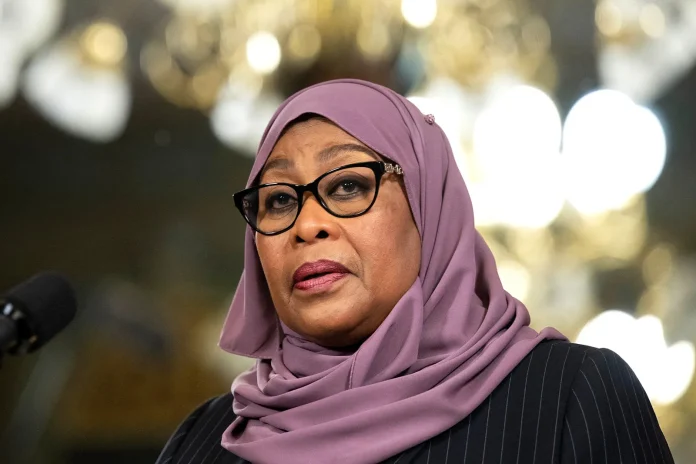
These demands follow President Samia Suluhu Hassan’s end-of-year 2025 address. In that speech, she announced steps to form a national reconciliation commission. Moreover, she said its structure, mandate, and timeline would emerge from broad consultations. “We should not let ideological differences divide us,” she stated. Furthermore, she called peace and unity essential for national progress in 2026.
Yet many remain skeptical. In particular, opposition parties question both the timing and sincerity of the initiative. Chadema vice-chairperson John Heche called it “deceptive reconciliation.” He argued that the government ignored calls for electoral reform before proposing unity talks. “It’s absurd to talk reconciliation while sidelining key democratic stakeholders,” he said. Consequently, he declared his party would not participate.
Similarly, ACT-Wazalendo’s secretary-general, Ado Shaibu, echoed this concern. He said the party would not join a process that ignores past failures. “We cannot move forward without reflecting on where previous efforts stalled,” he explained. Additionally, he stressed that reconciliation is impossible while political detainees remain in custody. “We won’t accept a process designed to find scapegoats,” he warned.
Likewise, CUF’s deputy secretary-general, Magdalena Sakaya, said the current climate makes reconciliation nearly unworkable. She called for an independent probe into post-election killings first. “Authorities haven’t even acknowledged these deaths,” she noted. As a result, she added, “There is deep bitterness. That’s why we oppose this process.” She urged the government to avoid creating commissions seen as illegitimate.
NCCR–Mageuzi’s Joseph Selasini agreed. In his view, reconciliation must start with truth. “We need clarity on what happened—and between whom,” he said. Therefore, without an independent inquiry into violence, the process lacks purpose.
Experts also demand transparency and broad participation. Dr. Onesmo Kyauke, a law lecturer at the University of Dar es Salaam, said truth—not blame—must drive the talks. “Reconciliation should unite the nation, not fuel witch-hunts,” he said. He went on to warn that one-sided demands undermine trust. Instead, he called for compromise. Moreover, he stressed that citizens beyond politicians must have a voice—and that free speech must be protected throughout.
Dr. Paul Loisulie of the University of Dodoma added that the process must be institutional and include diverse voices. “We need political parties, faith leaders, civil society, economists—and especially youth,” he said. Given that young people form Tanzania’s largest demographic, excluding them would severely weaken legitimacy. Furthermore, he said unresolved election flaws must be openly addressed to prevent future conflict and ensure lasting stability.
Human rights groups echoed these points. Fulgence Massawe, acting executive director of the Legal and Human Rights Centre (LHRC), said reconciliation must begin by identifying root causes. “Citizens must be allowed to speak openly,” he said. Importantly, he cited the failed 2024 talks between the government and Chadema as a cautionary tale. Thus, he urged planners to avoid repeating past mistakes.
Activist Ananilea Nkya emphasized the role of ordinary citizens. “These talks are meaningless if those carrying the pain aren’t heard,” she said. In fact, she insisted that young people and communities affected by unrest must help shape the process from the start.
In conclusion, the Tanzania national reconciliation process can only succeed if it moves beyond political theater. To achieve real healing, it must prioritize truth, justice, inclusion, and proper timing. Otherwise, efforts risk deepening divisions—not healing them.
READ: Njagi and Oyoo Recount Ordeal During 38-Day Detention in Uganda