
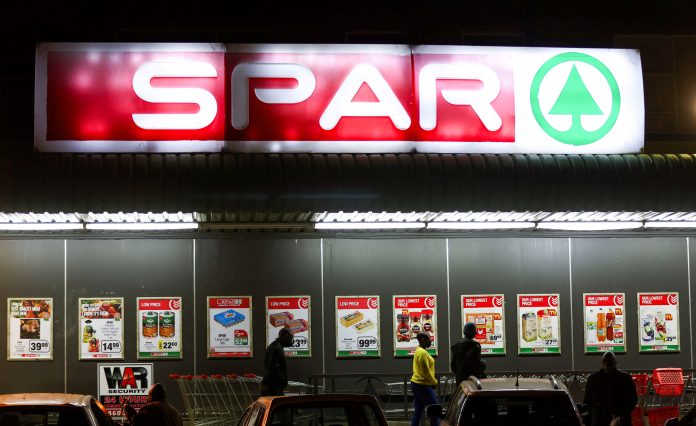


SPAR Group has confirmed it is in talks to sell its UK business as part of a strategic pivot toward its core markets. The South African retailer announced the move on Monday, signaling a clear shift away from European operations. This potential SPAR Group UK sale follows its earlier exits from Switzerland and Poland over the past two financial years.
The company operates under license agreements with the Dutch SPAR brand across multiple countries. Now, it plans to concentrate on regions where it sees stronger growth potential—primarily Southern Africa, Ireland, and a small joint venture in Sri Lanka. “We have limited appetite for expansion beyond our current footprint,” CEO Angelo Swartz told Reuters.
Instead of international acquisitions, SPAR will invest in new store formats at home. Its upscale Gourmet banner—designed to rival Woolworths and Shoprite’s Checkers—is central to this plan. The retailer aims to open four to five new Gourmet stores in the next financial year. Over five years, it targets around 100 such outlets, including 30 to 50 in the medium term.
In addition, SPAR is diversifying beyond groceries. It plans to expand into high-margin non-food categories like pet care, liquor, and even building materials. This move aligns with consumer trends and could boost foot traffic in its stores.
Financially, SPAR faced headwinds in the year ended September 2025. Diluted headline earnings per share from continuing operations fell 9% to 795.4 cents, down from 873.7 cents a year earlier. The decline stemmed partly from higher financing costs tied to legacy debt from its Poland exit. That debt, now held in South Africa, triggered non-deductible interest expenses and raised the group’s effective tax rate.
Despite this, group revenue rose 1.6% to R132.4 billion ($7.82 billion). The second half of the year showed stronger momentum, with a 3.5% revenue increase driven by higher grocery and liquor sales. Retailer engagement programs also contributed. Gross operating profit grew 2.3% to R2.8 billion, supported by solid performance across Southern Africa.
The proposed SPAR Group UK sale reflects a broader trend: African retailers doubling down on domestic and regional opportunities. With inflation, currency volatility, and logistical hurdles abroad, SPAR’s refocus on familiar markets appears both prudent and strategic.
As the company streamlines its portfolio, investors and customers alike will watch whether its Gourmet concept and non-food expansion can deliver sustainable growth—without the drag of distant, underperforming assets.