
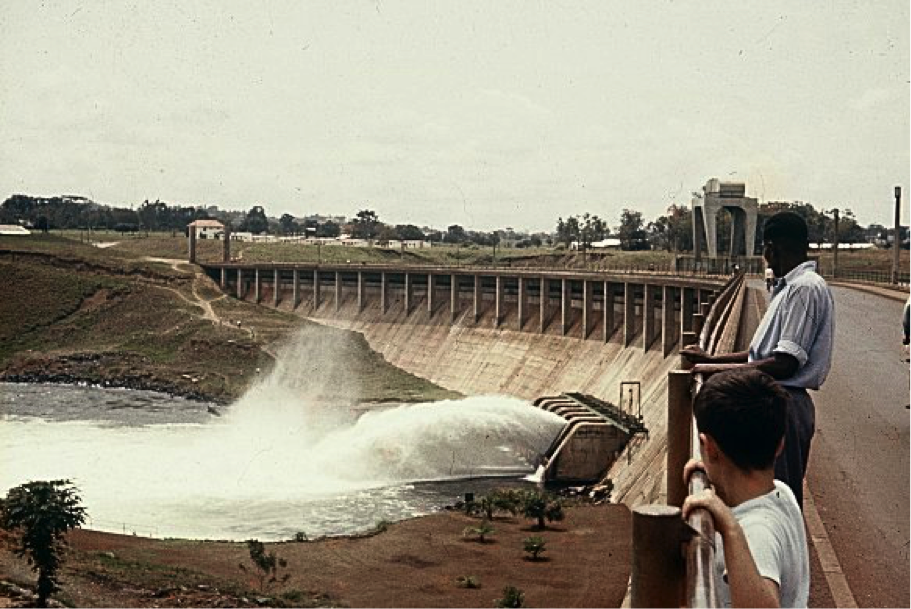


Jinja, Uganda – In a move aimed at enhancing safety and security, local authorities have enforced a ban on pedestrian access to the historic Old Jinja Bridge during nighttime hours. Additionally, measures have been implemented to regulate pedestrian movement on both the Railway and Jinja Nile Bridges. The new regulations stipulate that pedestrian crossings on these bridges are permitted only between 6:00 am and 6:00 pm daily.
The decision to impose restrictions on pedestrian movement is a response to concerns over the safety of citizens, especially during the night when visibility is reduced and potential risks escalate. The Old Jinja Bridge, a picturesque landmark with a rich historical significance, has drawn increasing foot traffic in recent years, leading to a growing number of accidents and security incidents after sunset.
The ban on nighttime pedestrian usage of the Old Jinja Bridge was not taken lightly by local authorities. Extensive consultations were conducted with residents, transportation experts, and law enforcement agencies to carefully consider the implications of such a measure. After assessing the feedback and analyzing accident data, the decision was reached to enhance public safety and prevent untoward incidents.
According to Inspector Joseph Mugisha, the spokesperson for the Jinja Police Department, “The safety of our citizens is of paramount importance, and these measures are aimed at safeguarding their well-being. The Old Jinja Bridge is not adequately lit during the night, making it prone to accidents and criminal activities. By restricting pedestrian access during the night hours, we can significantly reduce the risks associated with crossing the bridge after dark.”
In addition to the ban on nighttime pedestrian use, the Railway and Jinja Nile Bridges will now operate on a regulated schedule for pedestrians. This will help ensure smooth and orderly movement while minimizing congestion and potential accidents during peak times.
The new regulations have garnered mixed reactions from the local community. Some residents, while acknowledging the necessity of safety measures, express concerns about inconvenience during emergency situations. Others welcome the move, noting that it promotes a sense of security and discourages criminals from using the bridge as an escape route under the cover of darkness.
To complement these changes, authorities are planning to install additional lighting on the Old Jinja Bridge, enhancing visibility and safety for pedestrians during the permitted hours of use. Furthermore, increased police patrols will be implemented to deter criminal activities and enforce the ban on nighttime pedestrian crossings.
The implementation of these measures comes as part of the local government’s broader efforts to prioritize public safety and protect the city’s historical landmarks. By striking a balance between accessibility and safety, the authorities aim to create a safer environment for all citizens and visitors alike.
As the new regulations take effect, residents and pedestrians are urged to adhere to the stipulated timings and cooperate with law enforcement officers to ensure a smooth transition. By working together, the community can help make Jinja a safer and more enjoyable place for everyone.
In conclusion, the ban on nighttime pedestrian access to the Old Jinja Bridge and the regulated movement hours on the Railway and Jinja Nile Bridges are crucial steps towards ensuring the safety and security of all citizens. With proper implementation and community cooperation, these measures will undoubtedly contribute to making Jinja a safer and more secure city for everyone.
For any Opinions, breaking news, Exposes, story ideas, human interest articles or Exclusive inside Stories; email Uganda Daily on: [email protected]