


In a significant setback to the energy ambitions of East Africa, the much-anticipated oil refinery deal has hit a dead end, leaving investors and stakeholders disappointed. The government released a statement yesterday, acknowledging the collaborative efforts made with the Albertine Graben Energy Consortium (AGEC) over the years, which have yielded substantial advancements in the refinery’s development. However, the venture took an unexpected turn as negotiations faltered, putting an end to the promising project.
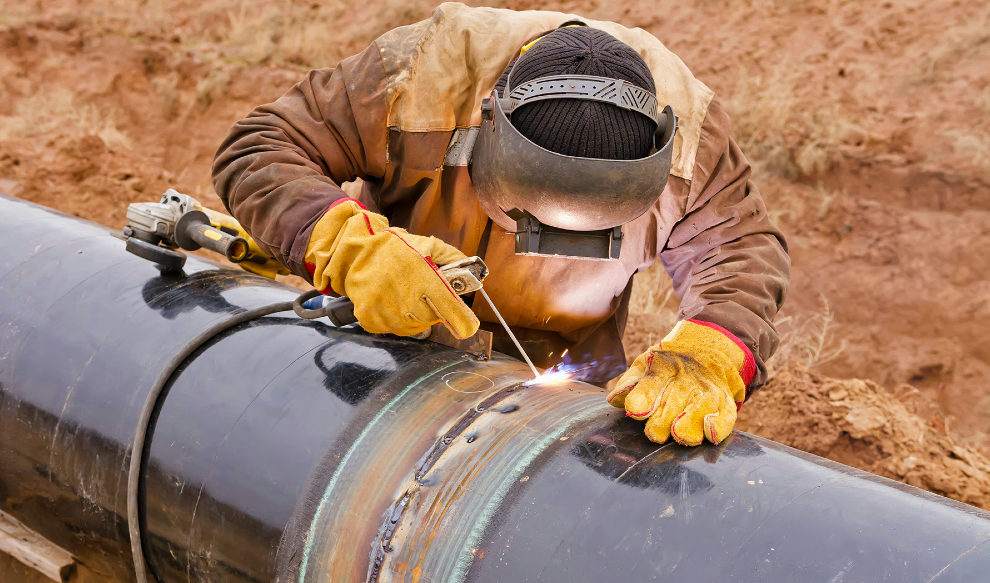
Central to the region’s energy plans, the East African Crude Oil Pipeline (EACOP) project, known as the largest oil pipeline initiative, has faced a similar fate. Stretching an impressive 1443 kilometers along a 30-meter corridor, the EACOP project aimed to provide a vital link for transporting oil from Uganda’s oil fields to the terminal in Tanzania.
French multinational energy company, TotalEnergies, had held a majority stake of 62 percent in the joint venture, indicating its significant interest in the project’s success. The involvement of the Uganda National Oil Company (UNOC) and the Tanzania Petroleum Development Corporation, each holding a 15 percent stake, underscored the collaboration between the two East African nations.
The project’s failure to reach fruition has raised questions about the factors leading to this unexpected impasse. Government sources have refrained from divulging specific details surrounding the breakdown of negotiations, only stating that there were considerable disagreements that could not be resolved through dialogue.
Experts speculate that various factors could have contributed to the project’s downfall, such as environmental concerns, economic feasibility, and geopolitical tensions within the region. Local communities in the vicinity of the proposed pipeline route expressed fears about potential environmental risks and land displacements, leading to protests and legal challenges. This sentiment garnered significant attention and put pressure on the governments and stakeholders involved.
Moreover, economic uncertainties, fluctuating global oil prices, and evolving energy market dynamics might have affected the financial viability of the ambitious project. The sheer magnitude of the undertaking and the hefty investments required could have deterred investors and made financing a daunting task.
Geopolitical challenges, including cross-border relations and regulatory disparities between Uganda and Tanzania, might also have played a role. Ensuring seamless cooperation across borders for a project of this magnitude is undoubtedly a complex endeavor, demanding meticulous diplomacy and understanding.
The collapse of the oil refinery deal and the EACOP project comes as a disappointment to many who saw them as potential game-changers for East Africa’s energy landscape. These initiatives were expected to create employment opportunities, boost economic growth, and strengthen regional energy security.
In the aftermath of this setback, governments and stakeholders involved must carefully reassess their options and work towards finding alternative means of harnessing the region’s energy potential. Collaborative efforts to address environmental concerns, reassess economic viability, and improve regulatory frameworks will be vital to ensure future ventures have a better chance of success.
For now, the dream of a transformative oil refinery and a landmark pipeline project remains unrealized, leaving East Africa to explore other avenues in its quest for sustainable energy solutions and regional development.
For any Opinions, breaking news, Exposes, story ideas, human interest articles or Exclusive inside Stories; email Uganda Daily on: [email protected]