
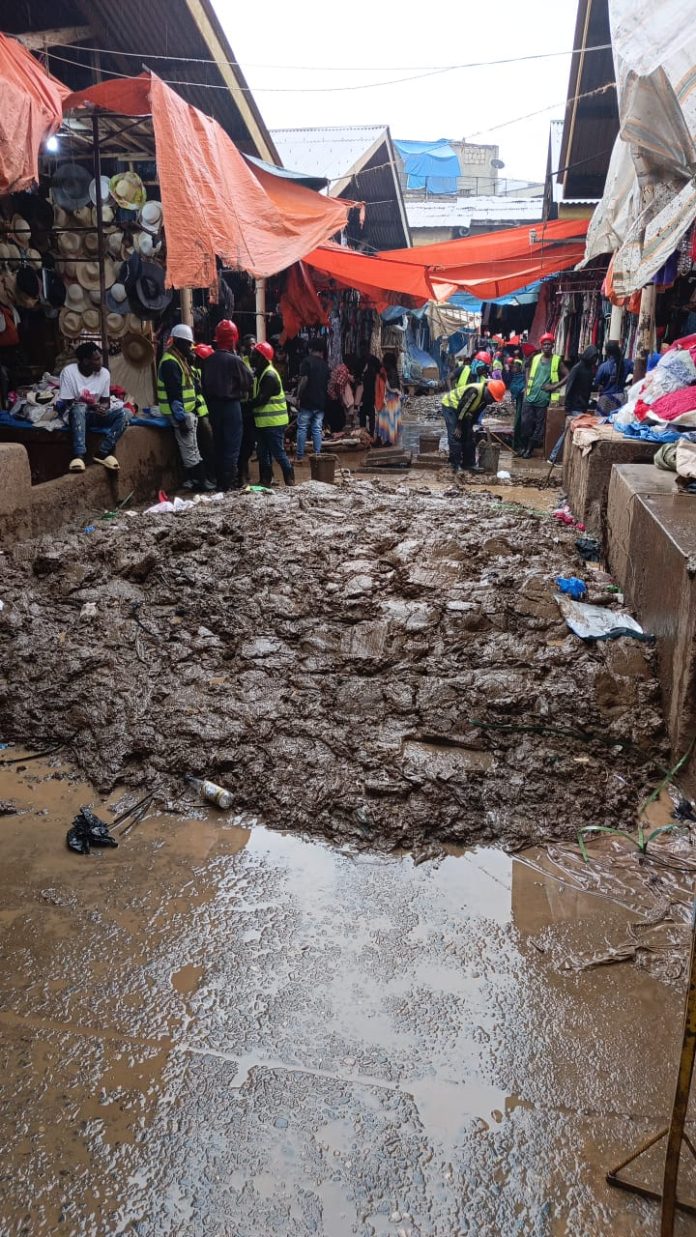


Kampala’s sanitation revolution is officially underway. The Kampala Capital City Authority (KCCA) has launched a transformative strategy to eliminate outdated open drainage systems—long associated with disease, flooding, and urban decay—and replace them with modern, underground infrastructure. This bold initiative is set to reshape the face of Uganda’s capital, promising a cleaner, safer, and flood-resilient city.
With the approval of this comprehensive drainage plan, KCCA is not just tackling infrastructure—it’s building a new urban identity for Kampala that aligns with international standards, green innovation, and sustainable development.
Goodbye Open Drains, Hello Smart Urban Systems
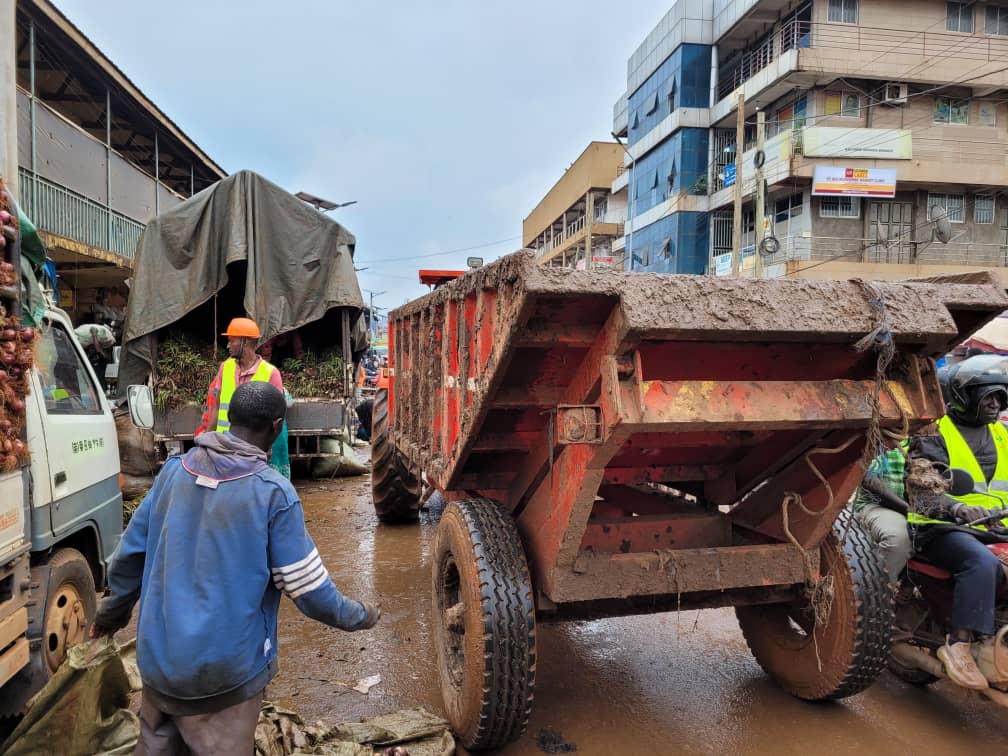
For decades, Kampala’s open drainage channels have been notorious for harboring stagnant water, breeding mosquitoes, and overflowing during heavy rains, leading to widespread flooding in neighborhoods like Bwaise, Kisenyi, and Katwe.
KCCA’s new approach, dubbed the Sanitation and Urban Resilience Plan 2025–2030, prioritizes the phasing out of these open drains and their replacement with:
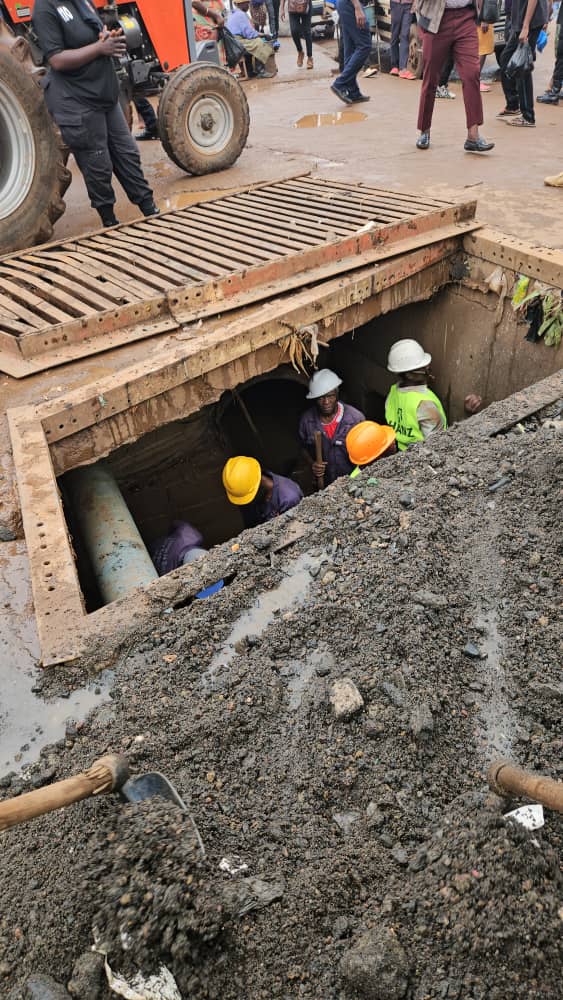
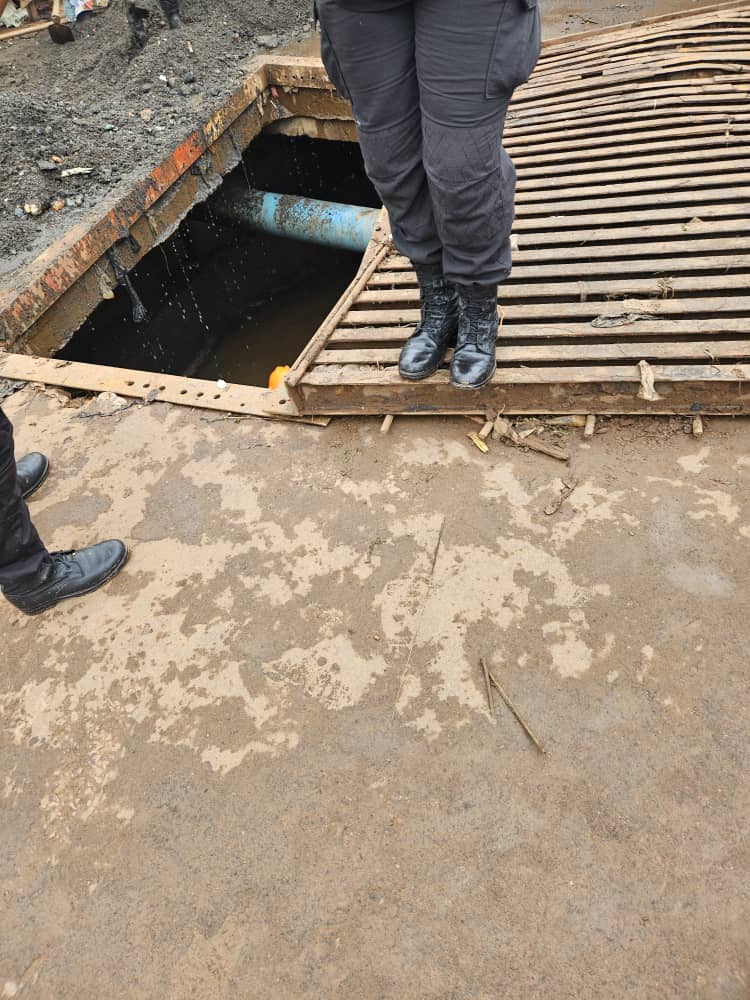
- Subsurface concrete channels
- Silt traps and maintenance access points
- Eco-integrated drainage corridors
- Green-friendly water diversion systems
The Nakivubo Pilot: A Proven Success
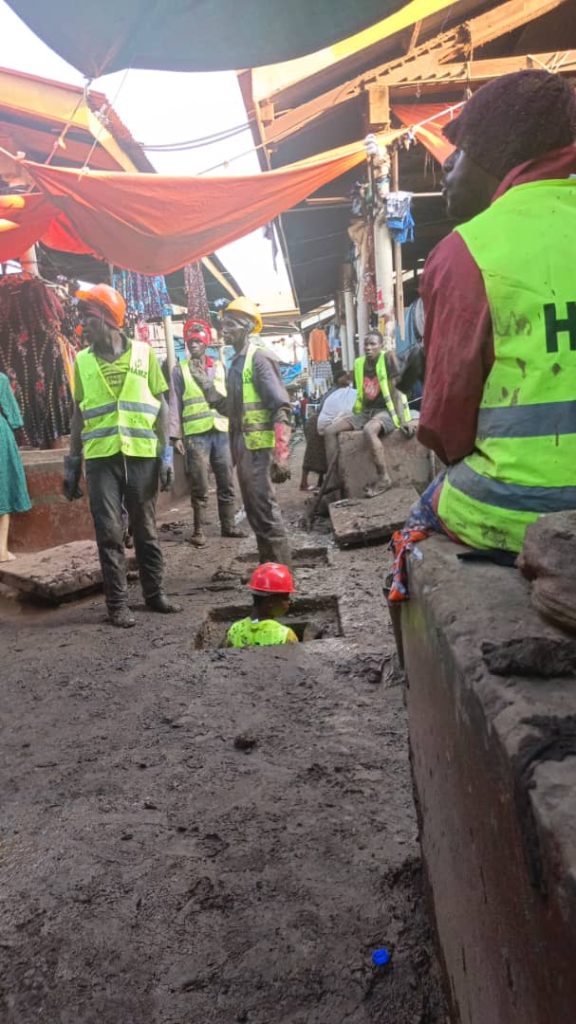
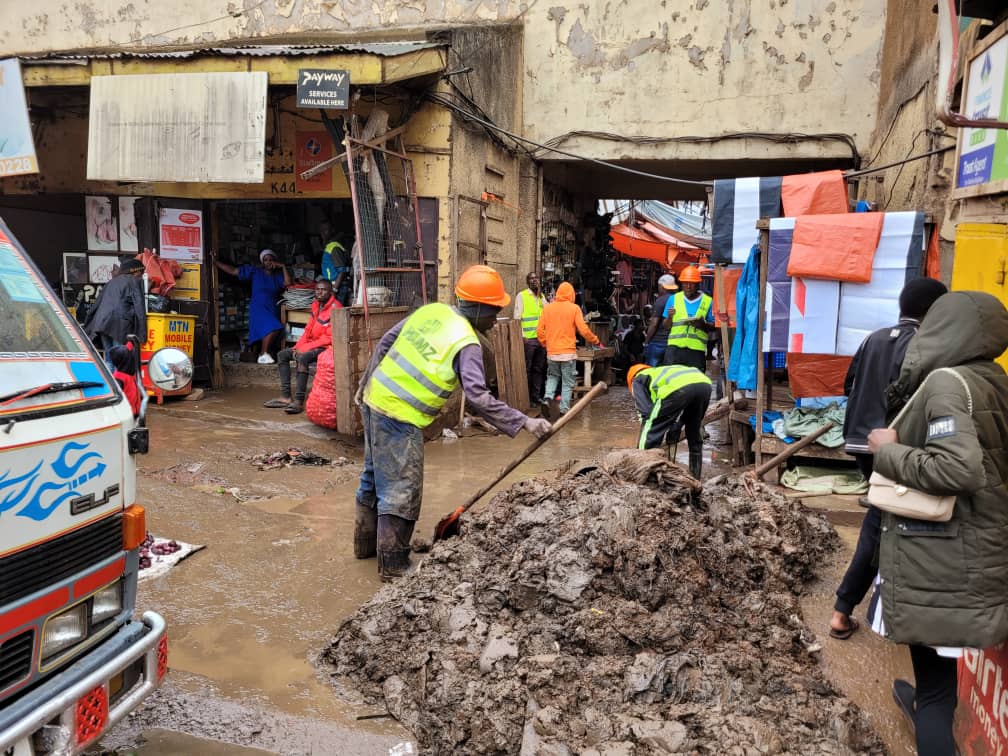
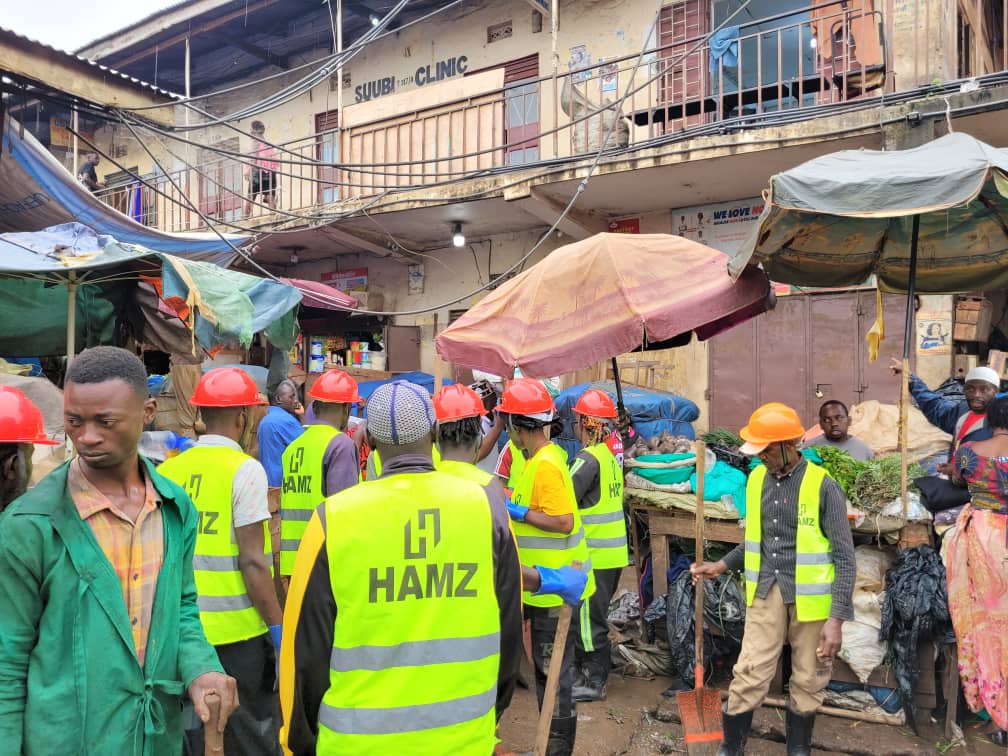
The blueprint for this transformation has already taken shape in Nakivubo, where a pilot project executed by Ham Enterprises demonstrated remarkable success. Even during Kampala’s heaviest rains, the area remained flood-free—a first in years.
The project not only improved water flow but also elevated the surrounding environment, enhancing aesthetics and functionality, and creating renewed confidence in KCCA’s vision.
Public-Private Partnerships at the Core
A major innovation in Kampala’s sanitation revolution is the public-private partnership model. Under this framework:
- Vetted local investors finance and construct drainage systems
- KCCA supervises design standards, safety, and long-term maintenance
- Jobs are created in construction, engineering, and operations
- Community engagement ensures inclusive development
This collaborative model not only accelerates implementation but also ensures the sustainability of the new infrastructure.
Tourism, Investment, and Urban Upliftment
A flood-free, clean Kampala means more than just safety—it also opens the door to economic growth. Improved sanitation and better city appearance directly boost:
- Tourism appeal, with cleaner streets and walkways
- Investor confidence, thanks to reliable infrastructure
- Urban pride, as residents enjoy enhanced public spaces
According to KCCA planners, the initiative will also encourage better waste management habits and reduce illegal dumping in water channels.
Political Resistance and Unified Council Vision
While a few political actors have criticized the pace and private-sector involvement in the program, the majority of KCCA councillors remain firmly behind the vision. They argue that the benefits—public health, flood control, job creation, and urban modernization—far outweigh the challenges.
“We are building the Kampala of tomorrow, today,” one councillor remarked. “A city that doesn’t drown in its own waste, but rises with resilience and vision.”
Conclusion: A Turning Point for Uganda’s Capital
Kampala’s sanitation revolution is more than an infrastructure upgrade—it is a redefinition of what an African capital can look like. Through innovation, collaboration, and determination, KCCA is leading a quiet but powerful transformation that prioritizes people, public health, and long-term urban integrity.
As the underground networks grow and open drains disappear, Kampala moves one step closer to becoming a model city not only for Uganda, but for the entire continent.