
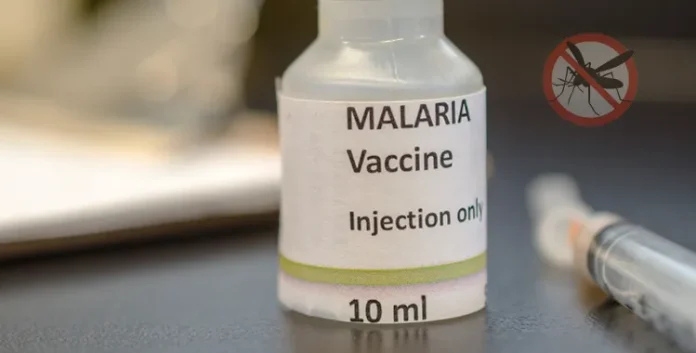


Kabuleta condemns Uganda’s malaria vaccine rollout, warning that it poses grave risks to poor children. His claims, widely shared on social media, come just weeks after Uganda began administering the R21/Matrix-M malaria vaccine as part of its national immunization program.
Launched in April 2025, the campaign targets children under two years old in 105 malaria-prone districts. The government sees it as a major leap in combating Plasmodium falciparum, the most lethal malaria parasite. Yet, former presidential contender Joseph Kabuleta has positioned himself against it, claiming it’s part of a global agenda to use African children as test subjects.
The Video That Shook Social Media
In a viral 11-minute video, Kabuleta alleges that Uganda is preparing for “door-to-door forced vaccination,” advising parents to withdraw their children from kindergartens to avoid the jab. He referenced pilot programs in Ghana, Kenya, and Malawi, falsely stating that all three countries halted vaccination due to dangerous side effects.
Kabuleta went further, alleging a 24% rise in child mortality linked to the vaccine, citing symptoms such as seizures, hallucinations, and cerebral malaria. “The poor will die and be buried. The billionaires will rejoice,” he declared, framing the rollout as a sinister population control tactic.
Debunked and Denounced
Health authorities swiftly responded. Uganda’s Ministry of Health rejected Kabuleta’s claims, calling them dangerous and unfounded. Emmanuel Ainebyoona, the ministry’s spokesperson, reiterated that the vaccine is endorsed by the World Health Organization and has undergone robust clinical trials.
According to WHO data, earlier malaria vaccine pilots—particularly the RTS,S/AS01 program—reduced severe malaria cases by 30% and hospitalizations by 21%. No evidence supported the claims of increased child mortality or the severe side effects Kabuleta described.
Delays in Ghana and Kenya were due to logistical challenges such as shipment issues and health worker strikes, not safety concerns.
Public Health at Risk
Experts fear that Kabuleta’s rhetoric could reignite vaccine hesitancy and undo years of public health education. Uganda records over 100,000 child deaths from malaria annually, and while the vaccine isn’t foolproof, it is a critical component in a larger toolkit that includes mosquito nets, indoor spraying, and health education.
As a known opponent of COVID-19 vaccines, Kabuleta’s current stance isn’t surprising. However, public health professionals stress the danger of using political platforms to spread fear in vulnerable communities.
Fighting Fear with Facts
Moving forward, Uganda’s Ministry of Health faces the dual challenge of distributing the vaccine and neutralizing misinformation. Officials are working to raise awareness through community health workers, media campaigns, and partnerships with religious and local leaders.
The narrative now is not just about protection from malaria—it’s about defending science from distortion. “We are not just saving lives,” one health official noted, “we are saving truth.”
As the debate continues, Kabuleta condemns Uganda’s malaria vaccine rollout, but the country’s health officials remain focused on their mission: immunizing a generation, one dose at a time.