
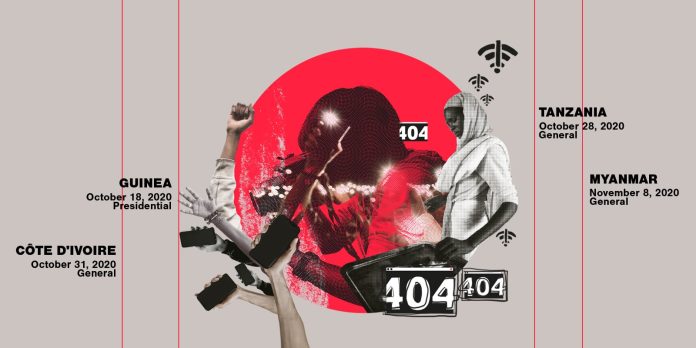


As Uganda moves toward the 2026 general elections, concerns about internet blackouts and digital restrictions have once again taken center stage. Previous election cycles in Uganda were marked by shutdowns of social media platforms and nationwide internet disruptions, raising fears that similar measures could be used to influence political outcomes. In an era where digital communication shapes campaigns, voter mobilization, and election monitoring, internet access has become a powerful political tool.
The question many Ugandans and observers are asking is whether internet blackouts are a security measure or a deliberate tactic to shape the electoral environment.
Uganda’s History of Internet Shutdowns
Uganda has a documented history of restricting internet access during politically sensitive periods. During past elections, authorities imposed social media bans and full internet blackouts, citing concerns over misinformation, public order, and national security.
These shutdowns often coincided with voting days and the announcement of results, moments when information flow is most critical. For many citizens, the timing created a perception that restrictions were aimed at limiting scrutiny rather than maintaining stability.
The recurring nature of these measures has made internet access a central issue in debates about electoral transparency and democratic freedoms.
Why the Internet Matters in Elections
The internet plays a crucial role in modern elections. Political parties use digital platforms to campaign, share manifestos, and engage supporters. Civil society organizations rely on online tools to educate voters and monitor polling stations. Journalists use the internet to report results and verify claims in real time.
For opposition groups with limited access to traditional media, social platforms often provide the most effective channel to reach voters. Shutting down the internet disrupts these activities and shifts the balance of information in favor of those with control over state media and offline structures.
In Uganda’s youthful and increasingly connected population, digital spaces have become central to political participation.
Security Arguments Versus Political Reality
The Ugandan government has consistently defended internet shutdowns as necessary to prevent violence, curb hate speech, and stop the spread of false information. Officials argue that unrestricted online communication during elections can inflame tensions and threaten public order.
However, critics contend that these justifications are overly broad and lack transparency. They argue that shutdowns disproportionately affect opposition mobilization, independent reporting, and citizen-led election observation.
The absence of clear legal thresholds and judicial oversight fuels suspicion that internet blackouts are politically motivated rather than purely security-driven.
Impact on Opposition and Civil Society
Internet disruptions have a direct impact on opposition politics. Leaders such as Bobi Wine and other critics of President Yoweri Museveni rely heavily on digital platforms to organize supporters, share live updates, and counter official narratives.
Civil society organizations monitoring elections also face challenges. Without internet access, reporting irregularities, coordinating observers, and publishing findings becomes difficult. This reduces transparency and limits the ability of citizens to access independent information.
For voters, especially in urban areas, shutdowns create confusion and restrict access to timely updates, undermining confidence in the electoral process.
Economic and Social Consequences
Beyond politics, internet blackouts carry significant economic costs. Businesses that depend on digital payments, online communication, and e-commerce experience losses during shutdowns. Small traders, freelancers, and service providers are particularly affected.
Social consequences are also significant. Families struggle to communicate, emergency services face delays, and access to online education and health information is disrupted. These impacts raise questions about proportionality and necessity, especially during critical national events.
Repeated shutdowns risk normalizing digital restrictions and weakening trust between citizens and the state.
International Law and Global Scrutiny
Internet shutdowns during elections have drawn criticism from international human rights organizations and foreign governments. Access to information and freedom of expression are widely recognized as fundamental rights, particularly during democratic processes.
Uganda’s actions are often compared with trends across Africa, where some governments have adopted similar tactics during elections. This pattern has prompted global calls for clearer safeguards against politically motivated shutdowns.
International scrutiny can influence diplomatic relations, aid considerations, and Uganda’s democratic reputation on the global stage.
Legal Framework and Accountability
Uganda’s legal framework grants authorities broad powers over telecommunications in the name of national security. However, critics argue that these powers lack sufficient checks and balances. Decisions to restrict internet access are often made without public consultation or transparent criteria.
Calls for reform focus on judicial oversight, clear timelines, and accountability mechanisms to prevent abuse. Without such safeguards, the risk of internet shutdowns being used as an electoral tool remains high.
The 2026 Election Context
As the 2026 elections approach, digital platforms are expected to play an even larger role in campaigning and civic engagement. Increased smartphone use, mobile money, and social media penetration mean that any disruption will have wider and deeper effects than in previous cycles.
The possibility of internet blackouts therefore carries heightened significance. Whether restrictions are imposed, and how they are justified, will be closely watched by voters, civil society, and international observers.
Conclusion
The prospect of an internet blackout in Uganda during the 2026 elections raises serious questions about democracy, transparency, and political competition. While authorities frame shutdowns as security measures, their timing and impact suggest they can also function as tools to influence the electoral environment. As Uganda heads toward a pivotal vote, the handling of internet access will serve as a key indicator of the country’s commitment to open, credible, and participatory elections.