
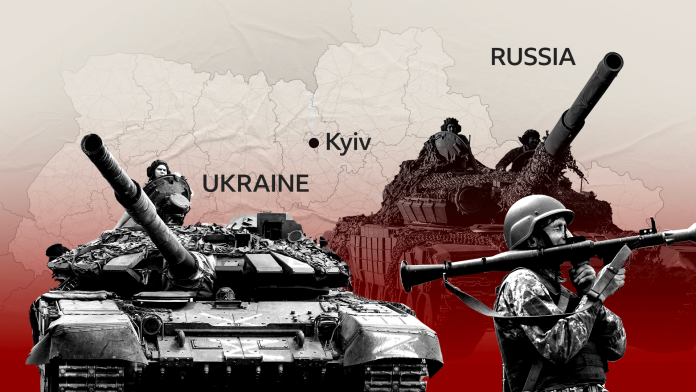


A U.S.-proposed 30-day ceasefire in Ukraine has sparked mixed reactions in Moscow, as citizens remain divided on whether it marks a genuine step toward peace or just a temporary pause before more conflict.
A Nation Split Between Hope and Distrust
For some Russians, like 47-year-old builder Dmitry, the ceasefire offers a glimmer of hope. Having experienced drone strikes near his home in Vnukovo, he longs for an end to the war.
💬 “I am waiting for the ceasefire with great hope,” he said. “I want all the negative things—rockets, drones, and people dying—to stop.”
However, many hardline supporters of President Vladimir Putin are deeply skeptical, believing that a ceasefire would only allow Kyiv to re-arm before resuming hostilities.
Anna Kozlova, a state prison service employee, dismissed the ceasefire outright:
💬 “I do not believe this will lead to peace. War will just start again.”
The Kremlin Weighs Its Next Move
The Kremlin has yet to decide on the ceasefire, saying it is waiting for more details from the U.S. Moscow has previously rejected any partial halts to fighting, maintaining that Ukraine must recognize Russia’s territorial claims.
Dentist Sergei, 54, sees some promise in Donald Trump’s involvement in negotiations, believing that relations with Washington have improved since Joe Biden left office.
💬 “There is at least a tiny-tiny hope,” he said. “It’s better than under Biden.”
However, others, like 27-year-old medic Sergei, are simply exhausted:
💬 “The less you think about this conflict, the easier it is to live.”
Ceasefire or Stalemate? The Future Remains Uncertain
Despite diplomatic efforts, the key sticking point remains:
Ukraine refuses to cede territory.
Russia considers occupied regions part of its sovereign land.
If neither side is willing to compromise, the proposed ceasefire may fail to bring lasting peace, leaving both nations—and their people—trapped in a cycle of war and uneasy truces.