
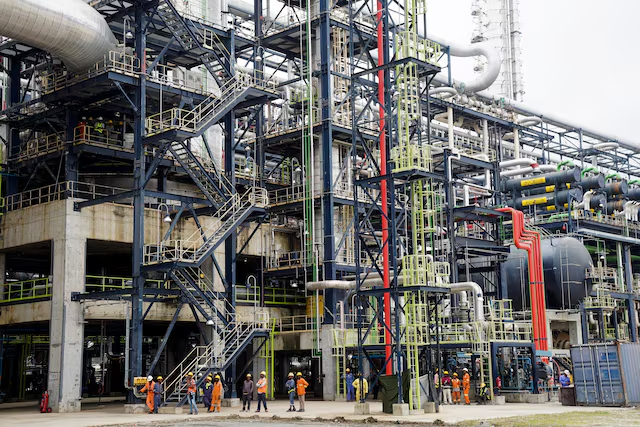


The Dangote refinery layoffs have raised questions about operations at Africa’s largest oil facility. According to a letter seen by Reuters and confirmed by a PENGASSAN oil union official, the company dismissed some workers on Friday. The letter stated that the dismissals would take effect by the evening of September 25.
The Dangote refinery, located in Nigeria, has a crude processing capacity of 650,000 barrels per day—making it by far the biggest in Africa. Analysts say it could reshape global fuel trading by becoming a new swing supplier in the Atlantic Basin. However, the recent staff cuts come amid operational challenges.
In late August, the refinery shut down its gasoline unit for repairs expected to last two to three months. Data from energy analytics firm Kpler shows the plant exported a higher volume of fuel oil in September. This pattern typically signals maintenance or outages, as modern refineries often divert output to less-processed streams like fuel oil during downtime.
At the time of reporting, Dangote did not respond to requests for comment. Officials also could not confirm the exact number of affected workers or whether the Dangote refinery layoffs would impact overall production. Nevertheless, the timing suggests a possible workforce adjustment linked to the extended maintenance period.
The refinery only began processing crude in January 2024, marking a major milestone for Nigeria’s energy ambitions. Its launch promised to reduce the country’s reliance on imported fuel and boost export earnings. Yet operational hiccups, including this shutdown and now staff reductions, highlight the complexities of running a world-scale facility.
Union representatives expressed concern over the sudden nature of the dismissals. PENGASSAN, which represents petroleum and gas workers in Nigeria, is monitoring the situation closely. They emphasized the need for transparency and fair treatment of affected employees.
Despite the setback, the refinery continues to export fuel oil, indicating that parts of the complex remain active. Industry experts note that temporary outages are common during the early operational phase of mega-refineries. Still, the Dangote refinery layoffs underscore the delicate balance between scaling up production and managing costs.
As Africa watches this flagship project, stakeholders hope the maintenance work will stabilize operations long-term. For now, the layoffs serve as a reminder that even transformative industrial ventures face real-world challenges. The coming months will show whether Dangote can emerge from this phase stronger—and fully operational.