
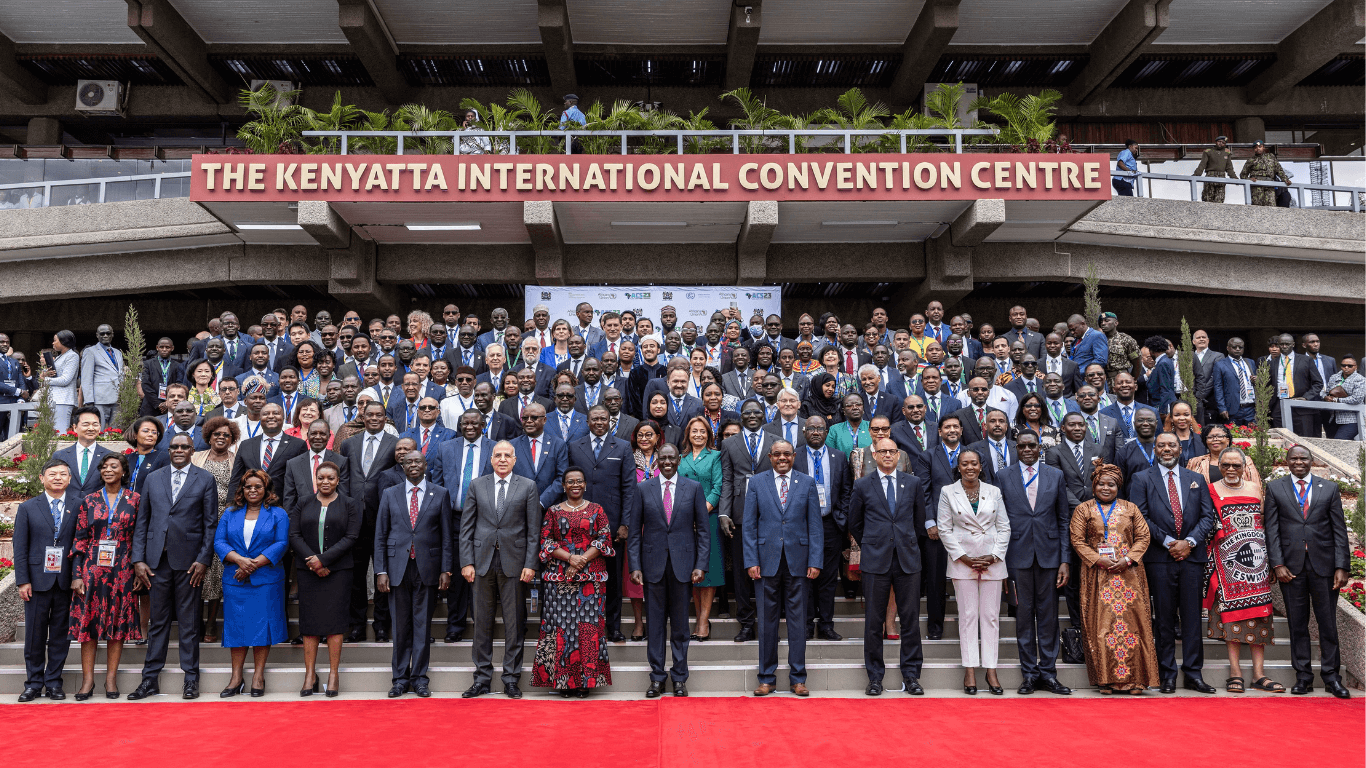


African leaders have come together to address the urgent need for climate action and sustainable development on the continent. During the Africa Climate Summit 2023 held in Nairobi, Kenya, these leaders issued a communique outlining their commitment to promoting sustainable utilization of Africa’s natural resources, low carbon development, and global decarbonization efforts.
In this historic declaration, African heads of state emphasized the importance of aligning and coordinating technical and financial resources from global partners, both in the global South and North, to support Africa’s progress. They are determined to stimulate economic growth and job creation while simultaneously limiting Africa’s own emissions.
Key commitments made at the summit include:
- Green Growth and Inclusive Economies: African leaders pledge to develop and implement policies, regulations, and incentives aimed at attracting local, regional, and global investments in green growth and inclusive economies. These policies are crucial for fostering sustainable development across the continent.
- Promoting Green Production and Supply Chains: Leaders aim to reshape the traditional path of industrial development by fostering green production and supply chains on a global scale. This shift will contribute to both Africa’s development and global decarbonization efforts.
- Conservation and Restoration of Nature: African nations commit to strengthening efforts to halt and reverse biodiversity loss, deforestation, desertification, and land degradation. These actions align with the goal of living in harmony with nature by 2050.
- Renewable Energy: Leaders prioritize the expansion of renewable energy generation, with a focus on energy-intensive industries. This approach will help trigger a virtuous cycle of renewable energy deployment and add value to Africa’s abundant natural resources.
- Sustainable Agriculture: The leaders emphasize the need to boost agricultural yields through sustainable practices to enhance food security while minimizing negative environmental impacts.
- Climate Finance: African countries call on the global community to fulfill their climate finance commitments, provide $100 billion in annual climate finance, and phase down coal while abolishing fossil fuel subsidies.
- Renewable Energy Capacity: African leaders seek international support to increase Africa’s renewable generation capacity from 56GW in 2022 to at least 300GW by 2030 to address energy poverty and supply clean energy for industry.
- Technology Transfer: They advocate for the access and transfer of environmentally sound technologies to support Africa’s green industrialization and transition.
- Multilateral Financial System Reform: The leaders propose reforms to the multilateral financial system to scale up concessional finance and improve debt management, including the inclusion of ‘debt pause clauses.’
- Global Carbon Taxation: African leaders urge the world to consider a global carbon taxation regime, including a carbon tax on fossil fuel trade, maritime transport, and aviation. This would provide dedicated finance for climate-positive investments while insulating decision-making from undue influence.
The African leaders highlight the urgency of climate action, as Africa faces disproportionate risks and impacts from climate change, including prolonged droughts, floods, and wildfires. Despite contributing minimally to global warming, the continent bears the brunt of its consequences.
In closing, African leaders call upon development partners worldwide to collaborate in the pursuit of sustainable, low-carbon development in Africa. They underscore the critical role Africa can play in global decarbonization efforts while ensuring its own economic growth and resilience.
For any Opinions, breaking news, Exposes, story ideas, human interest articles or Exclusive inside Stories; email Uganda Daily on: [email protected]