
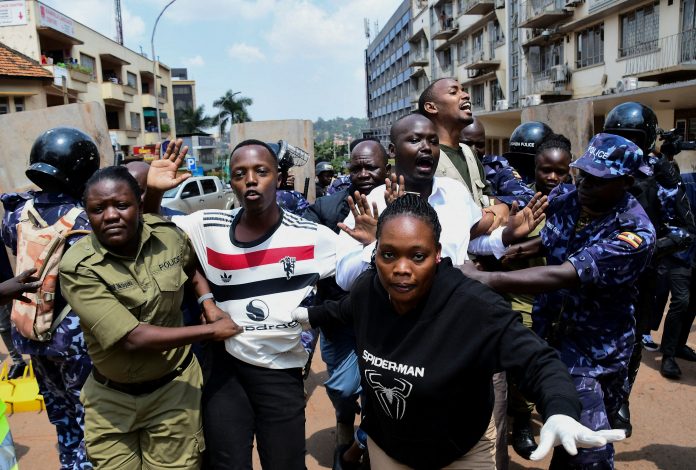


As Uganda approaches a critical political period in 2026, protests have emerged as a defining feature of the national conversation. Demonstrations linked to elections, governance, economic pressures, and civil liberties have drawn regional and international attention. For citizens, businesses, and observers, understanding the 2026 Ugandan protests requires context about their causes, scope, and potential consequences.
This article breaks down what you need to know—why the protests are happening, who is involved, how they affect daily life and the economy, and what could happen next.
Background: Why Protests Intensified in 2026
Uganda’s political environment in 2026 is shaped by heightened electoral competition, public frustration over the cost of living, and long-standing debates about governance and accountability. In the run-up to national polls, political mobilisation has intensified, with rallies, marches, and spontaneous demonstrations becoming more frequent.
Economic pressures—such as inflation, youth unemployment, and limited access to opportunities—have amplified public anger. For many young Ugandans, protests are seen as a way to voice grievances and demand reforms in leadership, service delivery, and political inclusion.
Key Drivers of the 2026 Ugandan Protests
Electoral Tensions
Elections are a central driver. Campaign restrictions, arrests of opposition figures, and disputes over electoral processes have triggered public demonstrations. Supporters of different political camps have taken to the streets to express dissatisfaction or defend political positions, especially in urban areas.
Economic Hardship
Rising prices of food, fuel, and basic services have strained household budgets. Small businesses and informal workers—who make up a large share of Uganda’s workforce—are particularly vulnerable. Protests have increasingly blended political demands with calls for economic relief and job creation.
Youth Activism and Social Media
Uganda has a young population that is highly connected digitally. Social media platforms have played a key role in organising protests, sharing information, and amplifying voices. Youth-led activism has given the 2026 protests a distinct character, combining political messaging with cultural expression and online mobilisation.
Governance and Civil Liberties
Concerns about freedom of expression, assembly, and access to information have also fueled protests. Internet disruptions, restrictions on rallies, and confrontations with security forces have intensified debates about civil rights and state power.
Where Protests Have Been Most Visible
Demonstrations have been most visible in major urban centres, particularly Kampala, as well as other cities and municipalities. Urban areas tend to concentrate political activity, media coverage, and youth populations, making them focal points for protests.
However, smaller towns and trading centres have also experienced sporadic demonstrations, often linked to local economic grievances or solidarity actions.
Government Response and Security Measures
Authorities have responded with a mix of crowd control, arrests, and public statements emphasizing law and order. Security forces have cited the need to prevent violence, protect property, and maintain stability.
At the same time, critics argue that heavy-handed responses risk escalating tensions and undermining public trust. The balance between maintaining security and respecting civil liberties remains one of the most contested aspects of the 2026 protests.
Impact on the Economy and Businesses
Disruption to Commerce
Protests and related security measures have disrupted transport, retail activity, and daily business operations, especially in city centres. Markets, shops, and offices may close temporarily during periods of unrest, affecting incomes and supply chains.
Investor and Tourism Concerns
Sustained unrest can affect investor confidence and tourism perceptions. While Uganda remains open for business, uncertainty around stability can delay investment decisions and reduce visitor numbers in the short term.
Informal Sector Vulnerability
The informal sector, which relies on daily movement and cash flow, is particularly affected. Street vendors, boda boda riders, and small traders often feel the economic impact immediately when protests disrupt normal activity.
Effects on Citizens and Daily Life
For ordinary citizens, protests bring both hope and hardship. On one hand, demonstrations provide a platform to express grievances and push for change. On the other, they can disrupt access to work, education, healthcare, and essential services.
Public transport interruptions, school closures, and occasional internet restrictions add to daily uncertainty. Families in urban areas often adjust routines to avoid protest hotspots or periods of heightened tension.
Role of Media and Information Flow
Media coverage—both local and international—has shaped narratives around the 2026 protests. Traditional media outlets provide reporting and analysis, while social media enables real-time updates and citizen journalism.
However, misinformation and conflicting accounts can also spread quickly, increasing anxiety and confusion. Accurate, timely information remains crucial for public understanding and safety.
What Happens Next?
The trajectory of the 2026 Ugandan protests depends on several factors, including political dialogue, electoral outcomes, economic conditions, and how authorities and protest leaders engage with one another.
Possible scenarios range from de-escalation through negotiations and reforms to prolonged tensions if grievances remain unaddressed. Regional and international partners may also influence outcomes through diplomacy and observation.
What Citizens and Businesses Should Do
Staying informed through credible sources is essential. Citizens are advised to prioritise safety, avoid volatile areas, and understand their rights and responsibilities. Businesses can mitigate risks by planning flexible operations, communicating with employees, and monitoring developments closely.
Conclusion
The 2026 Ugandan protests reflect deep-rooted political, economic, and social challenges facing Uganda. They are not just isolated events but part of a broader struggle over governance, opportunity, and national direction.
Understanding the causes and consequences of these protests helps citizens, businesses, and observers navigate an uncertain period. As Uganda moves through 2026, how leaders respond to public concerns will play a decisive role in shaping stability, trust, and the country’s future path.