
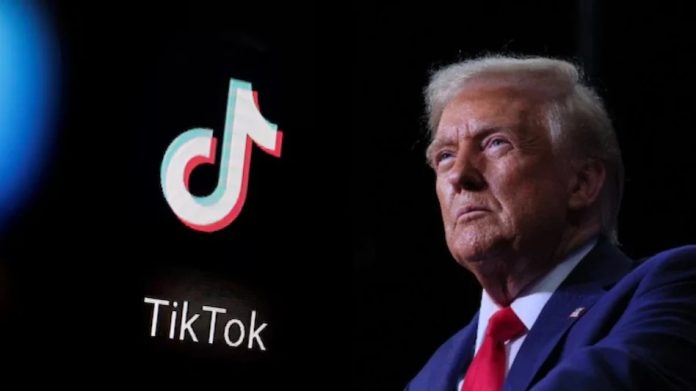


A landmark ruling, the US Supreme Court has upheld a law that could effectively ban TikTok in the country unless its China-based parent company, ByteDance, sells the platform by this Sunday. The decision, made unanimously by the nation’s highest court, has raised questions regarding free speech and national security concerns, with millions of TikTok users across the US bracing for potential changes.
TikTok had challenged the law, arguing that it violated the free speech rights of the platform’s 170 million US-based users. However, the Supreme Court rejected this argument, citing national security concerns related to TikTok’s data collection practices and its ties to the Chinese government. The law, passed in April 2024, provides ByteDance until January 19, 2025, to divest the US version of TikTok to a neutral third party or face removal from app stores and potential discontinuation of services.
The White House, under President Joe Biden, had expressed its desire for TikTok to remain accessible to American users under American ownership, addressing national security concerns. However, the enforcement of the law now rests with President Donald Trump’s incoming administration, which has already vowed to make a decision on the app in the near future. Trump expressed a shift in stance compared to his first term, where he had previously pushed for a similar ban on TikTok.
While the legal and political battle continues, TikTok influencers and content creators have been vocal about how the ban could affect their livelihoods. Many creators, such as Drew Talbert and Kalani Smith, have shared personal stories about how TikTok transformed their lives, turning them from financial struggles to financial stability.
The looming ban also raises concerns about censorship and free speech, especially among millions of users who have come to rely on the platform for expression, entertainment, and income. TikTok’s CEO, Shou Zi Chew, has expressed gratitude to those supporting the app and stressed the importance of protecting freedom of speech against arbitrary government decisions.
As the deadline approaches, the fate of TikTok in the US remains uncertain, and the situation continues to evolve with political, legal, and public sentiment weighing heavily on both sides.