
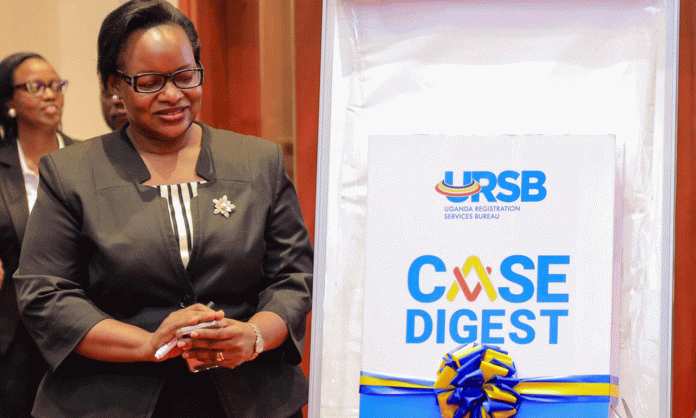


The URSB company case digest reveals Uganda’s company register as a battleground for boardroom disputes, forged signatures, and contested meetings. Between 2023 and 2025, Uganda Registration Services Bureau (URSB) actively resolved complex company conflicts and stabilized shaky boards.
The digest documents claims ranging from rectifications of records to allegations of minority oppression. Some cases involved extreme irregularities, including forged signatures, defective resolutions, unapproved share transfers, and illegal meetings that deliberately excluded directors.
For example, in the landmark case of Great Lakes Energy versus Xsabo Power, URSB separated company law from contract law to settle the dispute. Great Lakes Energy had petitioned to undo board resolutions that forfeited its 96 shares for alleged non-payment. Investigators confirmed the shares were fully paid, so URSB struck the offending resolutions. This precedent allows the bureau to correct the register when board actions contradict official filings.
Moreover, URSB’s cleanup goes beyond unusual petitions. In Kyadondo Rugby Club, directors updated data, appointed new directors, and amended the memorandum and articles of association without authorization. URSB voided these actions and struck the illegal appointments. Similarly, in Godral Secure Services, the bureau invalidated forged signatures, illegal transfers, and unauthorized changes to shareholding and bank mandates. Meanwhile, valid changes that went unchallenged remained in effect.
The digest also highlights the importance of proper company meetings and member rights. In the Kawempe Division Veteran Vendors and Traders Association, URSB voided a meeting that removed members without notifying subscribers. Additionally, in Days for Girls Uganda, the bureau expunged illegal amendments that swapped a living subscriber with a deceased founder. These rulings demonstrate that notifying members and following proper procedures are essential for lawful board decisions.
Minority oppression cases further emphasize governance discipline. Elmar Hagmann, a 50% shareholder, accused Knowledge Hub of obstructing operations and withholding documents. URSB identified governance failures and ordered an independent valuation with a staged buy-out. In contrast, Ronald Kiberu, who held 75% of a company, could not claim minority oppression, showing that protections depend on both ownership and conduct.
The URSB company case digest demonstrates the bureau’s ability to enforce governance standards. It strikes forged or procedurally defective filings, voids actions from improperly convened meetings, and orders targeted remedies such as valuations or buy-outs. Therefore, founders, directors, and investors must issue proper notices, document share transfers with resolutions, and audit filings after major changes.
Ultimately, the digest confirms URSB as a gatekeeper of corporate legality. It rectifies registers, nullifies tainted actions, and safeguards enforceable control. Consequently, sound governance is no longer optional for company managers or owners—it is essential to retain authority and avoid expungement.