
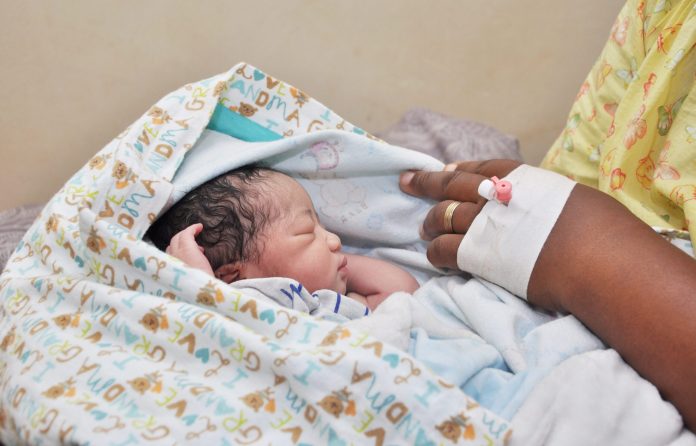


Uganda has introduced mandatory sickle cell screening for all newborns. The goal is to reduce under-five deaths caused by sickle cell disease (SCD), which is a major contributor to child mortality. With 20,000 babies born annually with the condition, the government is taking strong action to ensure every newborn is screened and receives immediate care.
The Growing Sickle Cell Burden in Uganda
Sickle cell disease is a significant health challenge in Uganda. According to Ministry of Health data, 6,000 to 9,000 children with SCD die before turning five, primarily due to preventable complications. Dr. Diana Atwine, the Health Ministry’s Permanent Secretary, emphasized the importance of early detection to prevent such deaths, which are often caused by complications like organ failure.
“Early screening saves lives and provides the necessary care to prevent future complications,” Dr. Atwine said. The screening will give children diagnosed with SCD a better chance at a healthier life.
Sickle Cell Screening and Early Care in Uganda
Newborns will now undergo mandatory screening at birth. This will allow for quick identification and immediate medical attention. Children diagnosed with SCD will receive proper care, including blood transfusions, to manage the disease’s complications. Timely intervention will help prevent severe health issues.
Improved laboratory capabilities and rapid diagnostic tests (RDTs) will be used to ensure quick results. These results will be recorded on health cards for immediate action. The Ministry of Health is also working to supply hydroxyurea, a crucial medication, to health facilities nationwide.
Expanding Access to Sickle Cell Care
National Medical Stores (NMS) will start distributing sickle cell RDT kits to public health facilities in February 2026. These kits will be free for public use. The private sector has also been urged to provide accessible testing. Early sickle cell screening, along with proper follow-up care, will be crucial to reducing mortality and ensuring that all children with SCD receive the help they need.
Sickle Cell Disease and Its Impact on Uganda’s Children
Sickle cell disease causes painful crises due to blood flow blockages. The disease leads to hardened red blood cells that can’t move easily through blood vessels. This blockage can cause pain and serious organ damage. Dr. Deogratious Munube, a pediatric hematologist, noted that early diagnosis through sickle cell screening would help prevent many complications.
“Many children diagnosed with malaria actually have undiagnosed sickle cell disease. Early screening helps ensure they get the care they need,” Dr. Munube explained.
Prevalence of Sickle Cell Disease in Uganda
Uganda has a high prevalence of sickle cell disease, especially in certain regions. The 2014 National Sickle Cell Trait and Disease survey found that some districts in southwestern Uganda had low prevalence, while high-burden districts like Alebtong and Namutumba had up to 24% prevalence. Uganda ranks third in Africa for sickle cell disease prevalence, with about 13% of the population carrying the sickle cell trait.
Experts are hopeful that with early screening and proper care, Uganda can significantly reduce sickle cell-related deaths and become a leader in sickle cell management across Africa.
The Importance of Genetic Counseling and Family Screening
Sickle cell disease is inherited. If both parents carry the sickle cell gene, their child has a 25% chance of inheriting the disease. Dr. Munube emphasized the importance of genetic counseling for couples with a family history of SCD. Premarital screening can help prevent the birth of children with the disease.
“Premarital screening is vital, especially for those with a family history,” said Dr. Munube. “This is the best way to reduce the transmission of the disease.”
Conclusion
The new mandatory sickle cell screening policy in Uganda is a vital step toward reducing child mortality and improving the quality of life for children diagnosed with sickle cell disease. Early detection and timely care will prevent many preventable deaths. Uganda’s commitment to expanding sickle cell screening and treatment reflects the country’s dedication to improving health outcomes and leading the fight against sickle cell disease in Africa.