
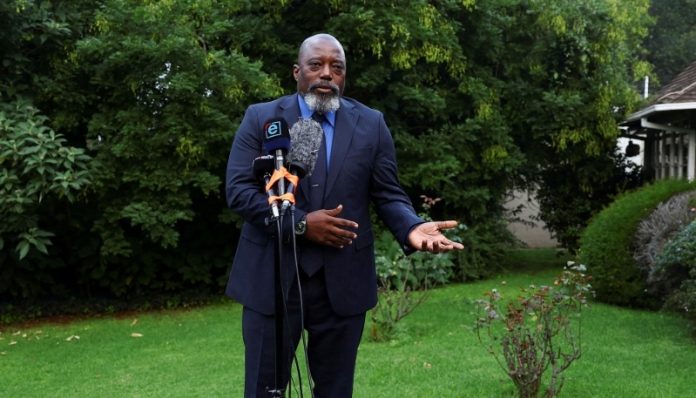


The Joseph Kabila comeback has sent shockwaves across the Democratic Republic of Congo’s political scene as the former president announced his return to frontline politics. In a declaration addressed to Congolese citizens, Kabila said he is ready to “resume the supreme responsibilities of the Nation” in a bid to restore peace, prosperity, and dignity.
Kabila emphasized that his 2019 departure, which enabled a peaceful transfer of power, was never the end of his journey but rather a pause. “I have seen the state of our country since my departure: unfulfilled promises, deepening divisions, worsening suffering. I cannot remain a mere spectator,” he stated.
Ruling Africa’s second-largest country from 2001 to 2019, Kabila cited national insecurity, economic hardships, and mismanagement as reasons for his comeback. He pledged to defend Congo’s resources and ensure wealth benefits future generations. “Congo is in danger, and I have the experience and strength necessary to save it,” he said.
However, the Joseph Kabila comeback faces major hurdles. He is under investigation for treason following accusations by President Félix Tshisekedi’s government of supporting the M23 rebellion in North Kivu. Kabila has strongly denied the charges, calling them politically motivated attempts to block his influence ahead of the 2028 elections.
Analysts say his return comes at a pivotal moment. Tshisekedi is constitutionally barred from seeking a third term, creating an open contest that Kabila’s Common Front for Congo (FCC) could heavily influence. His re-entry could reignite alliances, deepen rivalries, and reshape the opposition landscape.
As Congolese politics heats up, the Joseph Kabila comeback could either revive his legacy as a stabilizer or intensify divisions in an already fragile nation. With elections approaching, his declaration sets the stage for one of the most contentious political battles in DR Congo’s modern history.