
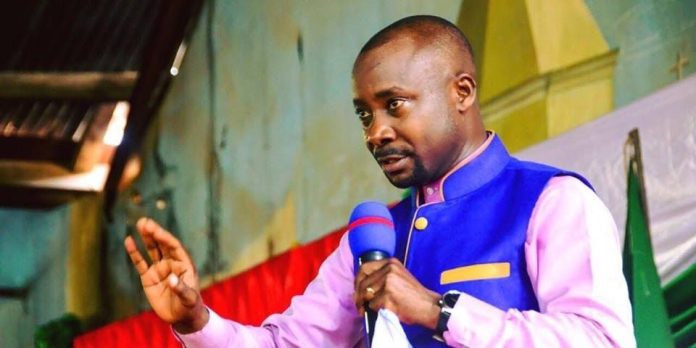


Bishop Josephat Gwajima has become a central figure in Tanzania’s recent political and religious controversy. After the government ordered the closure of his church, Ufufuo na Uzima (Glory of Christ Tanzania Church), and following his public criticism of the government, Gwajima’s dual role as preacher and legislator faces increased scrutiny. This article examines the church closure, his political career, and what this means for Tanzania’s tense political environment.
Church Closure and Legal Response
The Tanzanian government closed the Bishop Josephat Gwajima-led church due to sermons accused of political bias meant to create discord. Police sealed the church, but Gwajima’s lawyer, Peter Kibatala, said the bishop is not in custody but “in safe hands.” Kibatala confirmed they plan to challenge the deregistration legally. The closure sparked unrest among Gwajima’s followers, with police detaining about 80 church members. This event highlights the rising tension as religion and politics increasingly clash ahead of Tanzania’s elections.
Gwajima’s Political Rise and CCM Role
Before politics, Bishop Josephat Gwajima was a well-known Pentecostal leader with a strong Tanzanian following. Former President John Magufuli backed his entry into politics, ensuring Gwajima’s nomination as CCM candidate for Kawe constituency in 2020. Gwajima won the seat easily, defeating a veteran opposition MP amid allegations of election fraud. However, under President Samia Suluhu Hassan, his relationship with CCM has soured. His outspoken criticism of government policies and opposition to Covid-19 vaccines distanced him from party leaders, leading to his current troubles.
Political Isolation and Conflict with President Samia
Gwajima openly opposed President Samia’s reversal of Magufuli’s anti-vaccine policy, urging people to avoid Covid-19 vaccines. This stance led to his suspension from parliamentary sessions and labeled him a Magufuli loyalist resisting the new government. Recently, he condemned enforced disappearances and killings, accusing government insiders. His public criticism, delivered at a press conference rather than party channels, angered CCM leaders. Political analysts say this could end his political career, with President Samia warning the party against disruptive figures like Gwajima, coining the term “Gwajimanization.”
Religion and Politics Intertwined in Tanzania
The case of Bishop Josephat Gwajima shows the complex mix of religion and politics in Tanzania. His church attracted followers by addressing social and faith issues with populist Christian messages. But the government’s crackdown signals growing intolerance toward religious leaders who criticize political authorities. This action reflects efforts to tighten control before the 2025 elections and serves as a warning to other influential religious and political figures.
What Lies Ahead for Bishop Josephat Gwajima?
As Bishop Josephat Gwajima stays out of the public eye and his church remains closed, his future is uncertain. Legal battles over the church’s closure continue, but his outspoken political views have exacted a high price. Gwajima’s case highlights Tanzania’s volatile pre-election climate, where political dissent and religious influence are deeply connected, and consequences are swift.
READ: Magufuli pledges to power Tanzanian villages as campaigns heat up